
Main Prepositions
January 28, 2015 § 1 Comment
This is my attempt to put together all the uses of the main prepositions (à, de, dans, en, sur, etc.). I’ve broken it down into thematic sections and by the preposition.
*à, de, and en are repeated before each word that they introduce.
C’est le fils d’une mère allemande et d’un père français.
Nous avons passé le temps à parler et à travailler.
Il a voyagé en France, en Angleterre, et en Allemagne et il a écrit à ma mère, à mon oncle, et à mes grands-parents où il parlait de ses aventures, de ses experiences, et de ses impressions. (taken from Une Fois)
by theme, either space or time
*prepositions of space (geography, measurement, distance)
* to discuss at, in, around, and from a country, city, or continent – it’s not the exact meaning of the preposition, but rather the location that determines the preposition used.
| at, in, to | from | |
| masculine country | au | du |
| feminine country | en | de * |
| continent | en | de |
| city | à | de |
| plural country | aux | des |
Je voyage en France.
Elle vient des Etats-Unis
Sophie va au Japon.
– for states, use dans, except for au Texas, and en for CA, VA, WV, PA, LA, and GA.
– dans is used when the country is modified. “dans toute la France”
*dans versus au for location
– Marseille se trouve dans le sud de la France.
versus
– Maroc se trouve au sud de la France.
*à to indicate distance
– Le bureau de poste est à 2 km d’ici.
– Le supermarché est à 2 rues d’ici.
*dimensions – de
Ce sentier est 3 km de long (in length, long)
Cette salle est 4 m de largeur (wide, in width)
La tour est 80 pieds de haut / hauteur (tall or in height)
The expression to express length, width, and height
être long de OR avoir un longueur de
être large de OR avoir un largeur de
être haut de OR avoir une hauteur de
*prepositions of time
*à to show exact time
à 5 heures
à lundi
à demain
*en to show more spread-out time
en mai
en automne
en 1995
(but au printemps)
*vers – around
Il va arriver vers 9 heures.
*en or dans
Dans is used to say (at the end of the) period of time after which the action will happen.
Je commencerai mes devoirs dans 2 heures.
Nous partirons dans 5 minutes.
Je serai prêt dans un moment.
En is used to say how long the action will take.
Paris ne se fait pas en un jour.
J’ai fait tous mes devoirs en une heure.
On a peint l’appartement en 3 jours.
*pendant or pour – both can mean “for”
Pendant indicates that the action has already finished. J’ai visité Paris pendant deux semaines.
Pour indicates that the action has not yet finished. Cet été, Sophie va aller au camp pour une semaine.
*by preposition
*à
– can denote a purpose
une brosse à dents – toothbrush
une tasse à thé – teacup
une bouteille à vin – wine bottle
– can replace avec to emphasize that the 2nd word is a distinctive part of the first word / identifying factor of the first word
l’homme à barbe noire la fille aux yeux bleus
les patins à roulette la peinture à l’huile
le gateau au chocolat
– method of doing something
écrire au crayon
entendre à la radio
fait à la main
– à method of transport (things you ride on OR animal powered instead of machine powered)
à vélo
à pied
à dos d’âne
– être à or appartenir à – to belong to
Tous les bateaux sont à Binou.
Tous les bateaus appartiennent à Binou.
ça, c’est à moi.
*de
– some (du, de l’, de la, des)
some chocolate – du chocolat
some oranges – des oranges
some ice cream – de la glace
– quantities OF stuff – always quantity DE stuff
beaucoup de café
une tasse de café
trop de café
un verre d’eau
un kilo de farine
(the exceptions to this rule are la plupart des, bien des, and encore)
encore un verre
encore de l’eau
– de to show ownership
les chaussures de Sophie
le sac à dos du garcon
– de to show that the first noun is modified by the second noun
une robe de soie
un cours de français
un prof d’histoire
un homme d’affaires
le rideau de fer
– to show manner from which something happens
je meurs de faim
mort de fatigue
– more than / less than with numbers
plus de 3 chats
moins de $50
– when using an adjective with quelqu’un, personne, quelque chose, or rien, add a de between the noun and adjective
quelqu’un d’intelligent
personne d’amusant
rien d’intéressant
– when using the following terms
décoré de
muni de
orné de
plein de
garni de
couvert de
– dimensions
La rue est trois km de long – 3 km long or in length
Cette salle est quatre mètres de largeur – 4 m wide or in width
La tour est 60 pieds de haut – 60 feet in height, 60 ft tall
être long de 3 km OR avoir une longueur de 3 km
être large de 4 m OR avoir une largeur de 4 m
être haut de 60 pieds OR avoir une hauteur de 60 pieds
-to show differences in age or size
Georges est plus agé que moi de 2 ans.
Je suis plus grande que lui de 6 cm.
-to show earliness or lateness
Cette horloge avance de 5 minutes.
Ma montre retarde de 2 minutes.
*en
Usually means “in” in a more abstract sense. En is not used with an article except for the following
en l’air
en l’honneur de
en l’absence de
en l’an (2005)
– used with method of transport into which one enters / is machine powered.
en voiture
en train
en autocar
– to show what something is made out of
La maison est en carton, les escaliers sont en papier.
-used with disguised or treated as
Trotro s’est déguisé en monstre.
Il m’a traité en copain.
*chez – means at the house of, at the workplace of, within the works of, etc. Use stress pronouns when replacing people’s names.
chez-moi, chez-eux
chez le médecin, chez le dentiste
Sophie travaille chez Amazon
On trouvera cette citation chez Proust.
*par
by – Je passe par la banque.
Le roman a été écrit par Proust.
per – deux fois par jour
*toward
vers – used with physical, time
Ils arriveront vers 9h.
envers – used with attitude and behavior
Tu étais impoli envers elle.
*sur – on, on the subject of, also used with measurement
measurement – Cette chamber est 6m de long sur 5m de large.
out of – 4 sur 5 dentistes
donner sur – (for a house / apt) to look out over
Numbers and Fractions
January 4, 2015 § Leave a comment
In French the numbers between 1 – 999,999 are pretty straightforward. This is for the rest of the numbers, groupings (a dozen, a score, etc.), ordinal numbers, and fractions.
*millions and billions are considered quantities so they are followed by de
– trois millions de bouteilles – three million bottles
– douze milliards de dollars – twelve billion dollars
*other numerical collective quantities
– une dizaine – about 10
– une douzaine – a dozen
– une quinzaine – about 15
– une vingtaine – about 20
– une trentaine – about 30
– une cinquantaine – about 50
– une centaine – about 100
– un millier – about a thousand
Je voudrais une douzaine d’oeufs.
Dans l’usine ils ont trouvé des centaines de robinets.
Je vais à Mr. Bricolage pour acheter une dizaine d’ampoules.
Dans le placard il y a des dizaines de tasses de Starbucks.
*irregular fractions
1/2 – un demi
1/3 – un tiers
1/4 – un quart
2/3 – deux tiers
3/4 – trois quarts
4-1/2 – quatre et demi
8-2/3 – huit et deux tiers
*other fractions – to make a number into a fraction, as in English we add “th” to the number, in French we add “ième”.
2/5 – deux cinquièmes
11/12 – onze douzièmes
4/7 – quatre septièmes
22/41 – vingt-deux quarante-et-unièmes
*ordinal numbers
first – premier, première
for all other numbers, add ième to the number
second – deuxième
third – troisième
fifty first – cinquante et unième
*numbers mixed with adjectives – the order is opposite than in English
the first thirty years – les trente premiers ans
these last 5 weeks – ces cinq dernières semaines
the best three students – les trois meilleurs étudiants
*dates – for the first, use premier, for all other dates, just use the number
June 1 – le premier juin
June 2 – le deux juin
June 8 – le huit juin
June 11 – le onze juin
June 30 – le trente juin
*royalty – for the 1st, use premier, all others, just use the number
Elisabeth Première
Henri Quatre
Louis Treize
Generic Le Direct Object Pronoun
January 4, 2015 § Leave a comment
There are times when “le” as a direct object pronoun can replace an entire idea.
– Je sais que tu n’as pas confiance en moi. Je le sais bien.
– Il m’a demandé quelle heure il était, mais je ne le savais pas.
– Jacques est découragé, mais son frère ne l’est pas.
– Ils ne sont pas si intelligents qu’ils le paraissent.
– Sont-ils prêts? Non, mais ils le seront tout à l’heure.
– Êtes-vous française, madame? Oui, je le suis.
– Est-ce qu’ils savent que tu es arrive? Oui ils le savent.
– Tu penses qu’il ait peur? Oui, je le crois.
– As-tu entendu ce qu’elle m’a dit? Oui, je l’ai entendu.
Déjeuner du Matin Spoof
October 21, 2014 § Leave a comment
One of my favorite things ever.
Le Petit déjeuner à Martin, TN” par TBob Perverti (1995, spoofing Jacques Prévert’s poem, “Le déjeuner du matin”)
Il a mis le bacon
dans la poêle
Il l’a frit
Dans la graisse du bacon
Il a mis des oeufs
Il a sorti les petits pains chauds
de leur poêle
Il a mis le bacon
sur l’assiette
Il a mis les oeufs
avec le bacon
Il a mis les petits pains chauds
sur l’assiette
avec le bacon et les oeufs
et il a mis la sauce “red-eye” là-dessus
sans me parler
sans m’en offrir à manger
Puis, il est parti
parti traire ses vaches
ses vaches si précieuses
Et moi j’ai pris
mon nez dans mon mouchoir
et je me suis mouchée.
Food Links
August 7, 2014 § Leave a comment
Laura Lawless’ posts on French cheese
Part 1 http://www.lawlessfrench.com/reading/fromage-francais/
Part 2 http://www.lawlessfrench.com/reading/fromage-francais-2/
Marmiton – the French website for recipes http://www.marmiton.org
BBC article on new signage in French restaurants http://www.bbc.co.uk/news/magazine-28313666
BBC article on fast food in France http://www.bbc.com/news/business-25111208
Une publicité pour le cassoulet http://youtu.be/71E3xE0a4ZI
McDonald’s webpage in France http://www.mcdonalds.fr/en
Quick’s webpage in France http://www.mcdonalds.fr/en
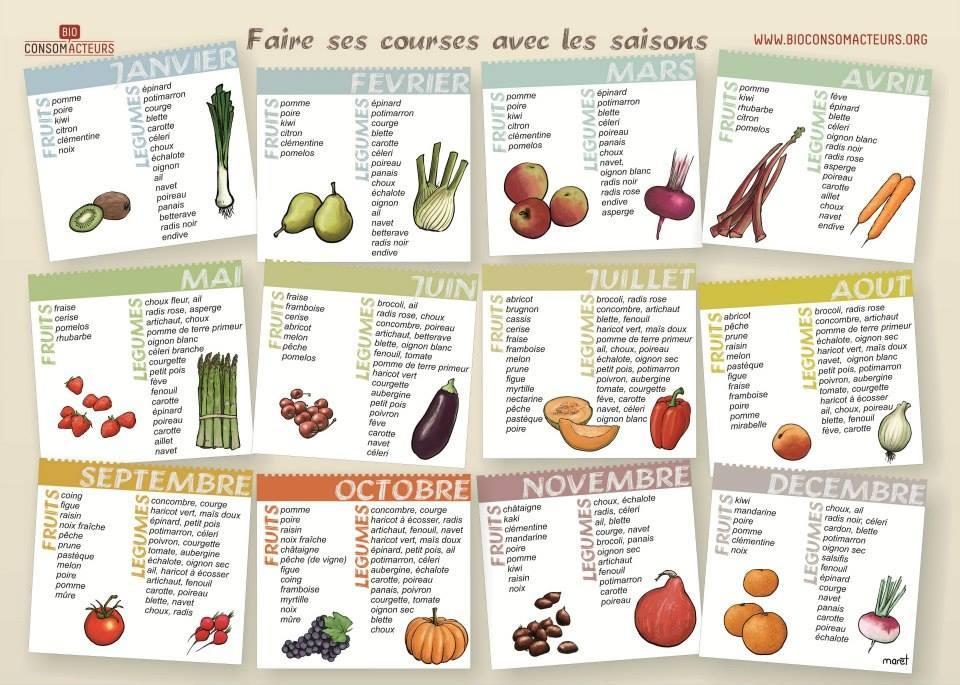
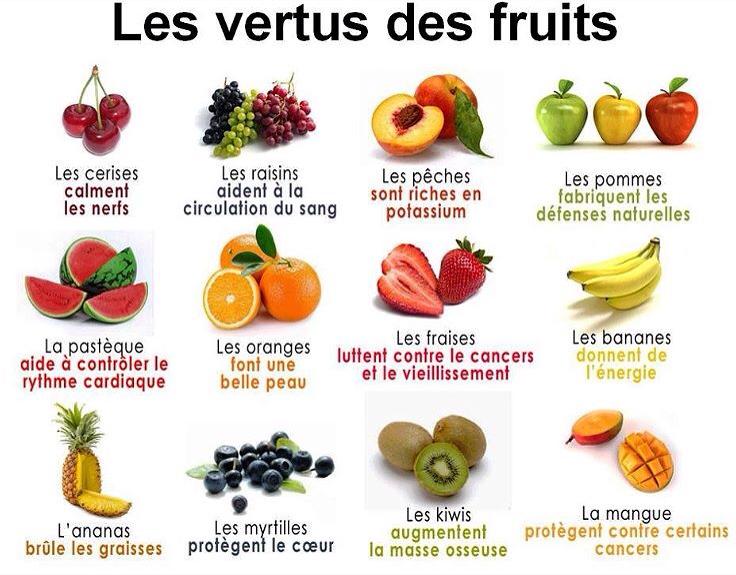
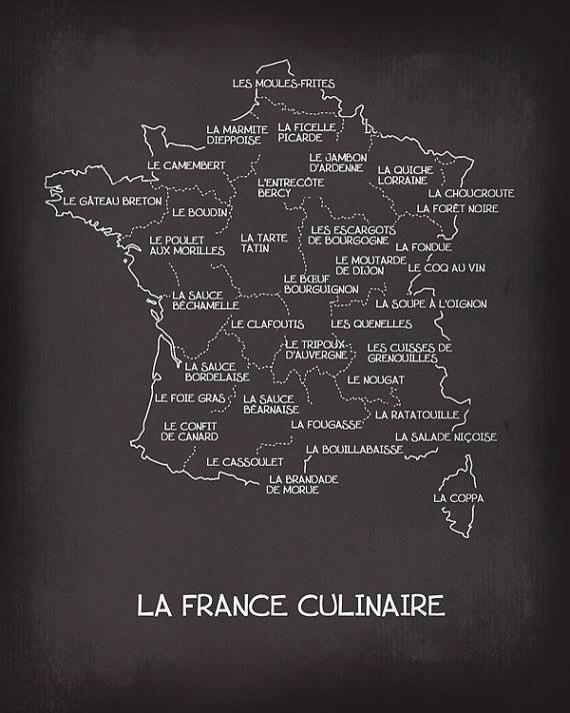
Various links to play with regarding food, consumerism, and the attitudes and politics of food in France.
http://www.planetoscope.com/fruits-legumes/1257-le-gaspillage-alimentaire-en-france.html
http://alimentation.gouv.fr/gaspillage-alimentaire-campagne
http://sitesremarquablesdugout.com/
http://sitesremarquablesdugout.com/map/
http://agriculture.gouv.fr/ecophyto



French PSA’s at the end of all food and restaurant advertisements.
“Pour votre santé, évitez la nourriture sucrée ou salée.”
“Pour votre santé, évitez de grignoter.”
“Pour votre santé, bougez plus.”
Tout
August 5, 2014 § Leave a comment
This is to give examples and explanations of all the uses of tout. Tout means all, but it can be used in different ways and in different idioms.
tout changes to match the noun that it modifies in gender and number
| masc sing | masc plural | fem sing | fem plural |
| tout | tous | toute | toutes |
*tout + article + noun = all ……….. noun
* when tout is singular it implies the entire noun
*when tout is plural it implies all the nouns
– tous ces livres
– toutes mes filles
– tout le gâteau
– tous les gâteaux
* tout / toute without an article = each
– Tout enfant joue dans le sable.
– Tout home a besoin de dormir
*tous as a pronoun means all / everyone
*it doesn’t change form
* pronounce the “s”
– Ils sont tous allés à la plage.
– Tous m’ont dit ça.
*tout as an adverb = very
*doesn’t change except when modifying a feminine adjective starting with a consonant, then it changes to toute
– Georges parle tout naivement.
– C’est un tout petit chiot.
– Il est venu tout seul.
– Elle est toute contente.
– Elle est venue toute seule.
*when used in compound sentences, tout goes between the auxiliary verb and the past participle.
– Il a tout mangé.
– Je les ai tous vus
*when used with a present participle (tout en verbant), it shows a contradiction between the two actions.
-Tout en sachant qu’il déteste le café, elle lui en a donné une grande tasse.
– Tout en disant qu’elle voulait maigrir, elle mangeait du gâteau.
– Tout en sachant la vérité, elle n’a rien dit à personne.
* tout idioms
tout à fait – completely
tout de suite – immediately, right away
tout à coup – suddenly
en tout cas – in any case
toute à l’heure – in a moment OR a moment ago
tout compte fait – all in all, taken all into account, all said and done
de toute manière – in any case, anyway
à tout moment – at any time
de toute sorte – of any kind, of any sort
en toute chose – in all things, in everything
à tout propos – about anything, all about, in any subject, in all subjects, constantly
en tout pour tout – all in all
tous (or toutes) les deux – both
tout à la fois – at the same time
toute espèce de – all kinds of, all sorts of, all species of
en tout sens – in any direction
à tout hasard – just in case, in the off chance
à tout prix – at any cost
toutefois – however, nonetheless
Devoir
August 4, 2014 § Leave a comment
Devoir means “to have to”, ” to gotta”, “to must”, and “to owe”. Its meaning does change a bit depending on usage and tense.
devoir in present tense
to have to, to must, to gotta, to owe, to be supposed to
* to owe – Puisque tu m’as acheté un café, je te dois $5.
– Je paie toujours mes dettes. Je ne veux rien devoir à personne.
* to gotta, to must, to have to – Je dois étudier.
– Je dois faire mes devoirs.
*to be supposed to – Nous devons partir vers 9 heures.
*Devoir in negative doesn’t mean “doesn’t have to”, but rather “must not”
– On ne doit pas marcher sur l’herbe.
– Tu ne dois pas manger tant de gâteau.
devoir in passé composé
had to, must have
*must have – Sophie n’était pas en classe hier. Elle a dû être malade.
– Quelqu’un a dû oublier de fermer la porte à clé.
*had to – J’ai dû faire mes devoirs.
– Nous avons dû partir tôt de la soirée.
devoir in imparfait
*was supposed to – Je devais arriver plus tôt, mais il y avait un embouteillage.
– Nous devions aller à la plage aujourd’hui.
*had to – Puisque nous nous étions réveillés tard, nous devions nous dépêcher.
devoir in conditional
Devoir in conditional means “should”
*should – Je devrais me coucher plus tôt.
– Tu devrais conduire plus prudemment.
devoir in past conditional
Devoir in past conditional means “should have verbed” – to form it, conjugate avoir in conditional, then add the past participle of devoir.
*should have verbed – J’aurais dû faire mes devoirs.
– Ils auraient dû arriver plus tôt.
– Tu aurais dû ranger ta chambre.
– Je n’aurais pas dû me coucher si tard.
– Nous n’aurions pas dû acheter une Porsche.
tant tellement si tel
July 31, 2014 § Leave a comment
These words are tricky in their usage and how they all mean similar things.
Si
Si = so
It is used to modify
adverbs – il conduit si vite
adjectives – il est si beau
Tant
Tant = so much, so many
It is used to modify
quantities of stuff – tant de choses à faire
verbs – il travaille tant
adverbs – tant pis OR tant mieux
*tant gives a quantitative character to the verb or adverb
Tel
Tel / tels / telle / telles – so much, so, such
Modifies nouns
the pattern is article tel noun
une telle patience
Il y avait un tel bruit que j’avais peur.
Est-ce vraiment d’une telle importance?
de telle façon OR de telle manière
Autant
Autant – as much, as many
Used in comparisons. Modifies
Quantities of nouns – Tu as autant de choses que lui.
Verbs – Tu travailles autant que lui.
Tellement
Tellement = so much, so many
Used to modify
Quantities of nouns – J’ai mangé tellement de chocolat que maintenant, j’ai des boutons
Verbs – Il a tellement bu qu’il est ivre.
Adverbs – Tu conduis tellement vite que tu vas avoir un accident.
Adjectives – Ce n’est pas tellement difficile
*Tellement gives an character of intensity to the word that it modifies.
Other information that I found
*for 1 syllable verbs, it’s preferable to use tellement instead of tant
*to modify a past participle, you can use tellement, si, or tant
Le voilà cet enfant si/tellement/tant attendu
*other examples that I found
Il est tellement stupide.
Il travaille tellement.
Il vous a tant aimé.
Il y a tellement longtemps. OR Il y a si longtemps.
Ce n’est pas si difficile.
Il est tellement plus grand.
Il a tant grandi.
C’est un lieu qui le fascinait tant.
Je ne peux pas entrer, il y a tante de monde.
Il y a tellement de monde que je ne peux pas entrer.
Le chien est tellement gentil qu’il permet le chat de manger avant lui.
Il faisait si froid. OR Il faisait tellement froid
You can use tellement with avoir soif, avoir chaud, avoir faim, avoir froid.
For the record, except for the autant info and a few sentences, the info on this page is all information gathered from other sources. Two of the sources were user names on French language forums, from whom I translated or reworded what they wrote to put here for my students.
this one in the UK http://www.forum.french-linguistics.co.uk
and this one https://grammaire-fle.wikispaces.com/
The other source was Cours Supérieur
Composed Tenses
May 26, 2014 § Leave a comment
Composed Tenses
The passé composé, plus que parfait, the conditional past, and the futur anterieur are all composed tenses. This means that they all have an auxiliary verb (avoir or être) plus a past participle. The only thing that changes between the tenses is the tense of the auxiliary verb. Other than the tense of the auxilary verb, ALL the composed tenses are done just like passé composé.
Passé Composé = verbed, did verb, or has / have verbed
To form the passé composé,
1. conjugate auxiliary verb (avoir or être) in present tense
2. plug in past participle
3. for verbs with être in passé composé, add “e” or “s” to past participle to match the subject in gender and number
Plus Que Parfait = haD verbed
The plus que parfait is the tense that happened before the passé composé.
Ex : We haD already left when they arrived.
had left = plus que parfait
arrived = passé composé
To form the plus que parfait,
1. conjugate the auxiliary verb (être or avoir) in imparfait
2. plug in past participle
3. for verbs that use être as their auxiliary verb, add “e” or “s” to past participle to match the subject in gender and number
Past Conditional = would have verbed
To form the conditional past,
1. conjugate auxiliary verb (avoir or être) in the conditional
2. plug in past participle
3. for verbs whose auxiliary is être, add “e” or “s” to past participle to match it with subject in gender and number
Futur Anterieur = will have verbed
To form this tense,
1. conjugate the auxiliary verb (être or avoir) in the future tense
2. plug in the past participle
3. if the auxiliary verb is être, add “e” or “s” to the past participle to match the subject in gender and number
Le Petit Prince Vocabulary
May 8, 2014 § Leave a comment
Petit Prince 1
when – lorsque a
time – une fois
to swallow – avaler
a turn – un tour
to scare someone – faire peur à quelqu’un
to the side – à côté
how, in this way,like this, as – ainsi que
rather – plutôt
a career – un métier
to fly – voler
lost – égaré
a pile – un tas
to seem – paraître
a breakdown – une panne
barely – à peine
a shipwreck – un naufrage
lightning – la foudre
Petit Prince 2
a case – une caisse
to scribble – griffonner
to lean – pencher
a cord – une corde
a stake, a picket – un piquet
all over, anywhere – n’importe-où
outside – dehors
to have difficulties – avoir du mal à
figures (numbers) – les chiffres
the proof – la preuve
to shrug one’s shoulders – hausser les épaules
to fumble along, to go by trail and error – tâtonner
a shrub – un arbuste
a seed – une graine
a twig, a seedling – une brindille
to remove, to pull out – arracher
as soon as, whenever – dès que
to warn – avertir
the sweetness – la douceur
a hammer – un marteau
a bolt – un boulon
to puff up – gonfler
pride – l’orgueil to
realize – se rendre compte (que or de)
to rock – bercer
to stop – cesser (de)
to guess – deviner
Petit Prince 3
a fox – un renard
to tame – apprivoiser
to add – ajouter
a gun – un fusil
to raise – éléver (conjugated like préférer w/ the accents)
a sound – un bruit
a step, footstep – un pas
a burrow – un terrier
a field – un champ
wheat – le blé
happiness – le bonheur
because of – à cause de
to praise, to extol – vanter
switch controller (on the railroad) – un aiguilleur
to yawn – bâiller
to crush – écraser
to swallow – avaler
to appease – apaiser
to save – épargner
a drop – une goutte
a well – un puits
but – cependant
near to, close to – auprès de
the bark, the peel, the outward shell – l’écorce (f)
to outline – ébaucher
to shove, to cram, or to push in – enfourner
to creak – gémir
a weathervane – une girouette
to hoist, to haul up – hisser
a bucket – un seau
blind – aveugle
a fall – une chute
to blush – rougir
light – léger
to slip through, to weave through – se faufiler
to surround – entourer
to dare – oser
to hold tight – serrer
Petit Prince 4
Vocab through chapter 20
such – tel
a sunset – un coucher de soleil
a sigh – un soupir
empty – vide
full – plein
to admit – avouer
to possess – posséder
a drawer – un tiroir
to pull – tirer
to sweep, to clean out – ramoner
to extinguish, to turn off – éteindre
in the past – autrefois
a job, a trade, a career – un métier
ink – l’encre
regimented – réglé
false – faux, fausse
thin – mince
powerful – puissant
a ship – un navire
a root – une racine
a needle – une aiguille
sharpened – aiguisé
to cough – tousser
a species – une espèce
to escape – échapper
 French Notes